Meningitis Vaccine
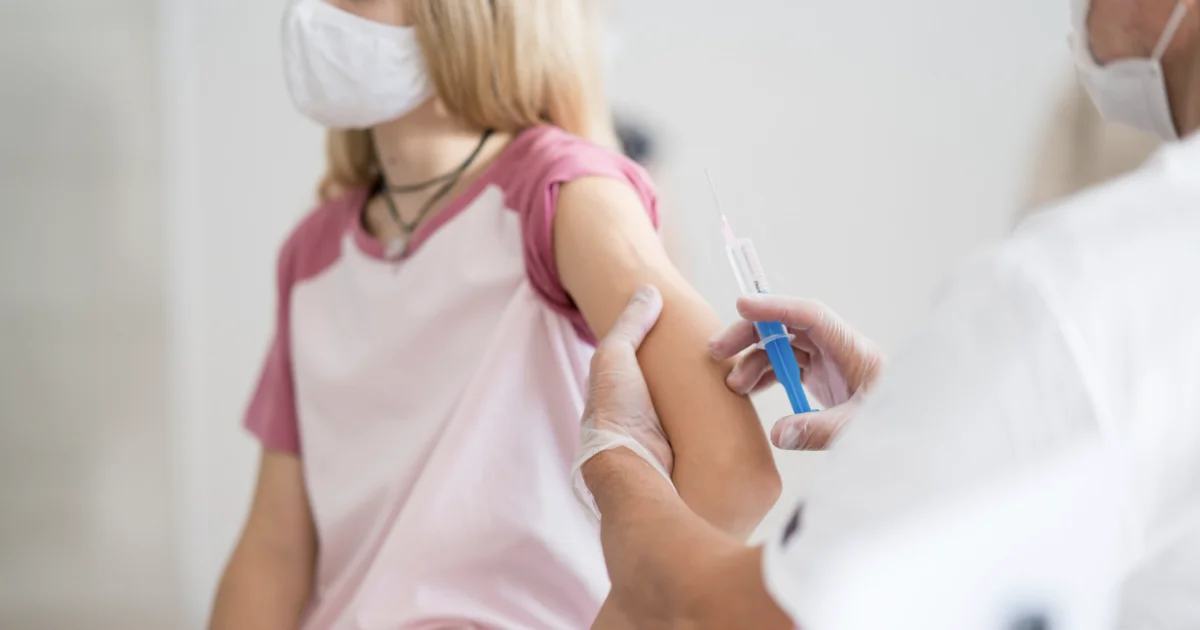
Meningococcal disease is uncommon, but it moves fast and can be deadly within hours of the first symptoms. The good news is that it’s also one of the most preventable serious illnesses out there. The Shot Nurse offers both the MenACWY and MenB vaccines with no appointment necessary at our Memphis and Germantown offices.
What Is Meningococcal Disease?
Meningococcal disease is caused by the bacterium Neisseria meningitidis. It’s one of the leading bacterial causes of meningitis in the United States, an infection that inflames the membranes surrounding the brain and spinal cord. The same bacteria can also invade the bloodstream directly, a condition called meningococcemia, which is often more dangerous than meningitis itself because it can trigger organ failure and shock with little warning.
What makes this illness particularly frightening is its speed. A person can go from feeling mildly unwell to critically ill in less than a day. In severe cases, death can occur within hours of symptom onset. Early signs, including fever, headache, and fatigue, are easy to mistake for a bad case of the flu, which often delays the trip to urgent care or the ER until the disease has already progressed.
Symptoms to Watch For
- Sudden fever and chills
- Severe headache
- Stiff neck
- Nausea or vomiting
- Sensitivity to light
- Confusion or difficulty staying awake
- A dark purplish rash, which can be a sign of bloodstream infection and warrants immediate emergency care
How It Spreads
Meningococcal bacteria live in the nose and throat and spread through saliva and respiratory secretions. That means the illness typically requires close or prolonged contact to pass from one person to another, such as kissing, coughing, sharing drinks or cigarettes, or living in close quarters like a dorm room or barracks. It generally isn’t spread through casual contact the way a cold or the flu is, which is exactly why outbreaks tend to cluster in places where people live in close proximity to one another, including college dorms and military housing.
Several everyday factors can make someone more vulnerable to a severe case, including poor sleep, chronic stress, smoking, and heavy alcohol use, all of which put strain on the immune system’s ability to fight off infection.
Who Is Most at Risk
Meningococcal disease can affect anyone, but a few groups face a higher risk:
- Infants and young children
- Adolescents and young adults, particularly those living in dorms or shared housing
- People without a spleen or with a damaged spleen, including those with sickle cell disease
- People with HIV or other conditions that weaken the immune system
- Military recruits
- Travelers to regions where meningococcal disease is common, including parts of sub-Saharan Africa
- Anyone in close contact with a confirmed case during a community outbreak
Long-Term Effects
Even with prompt treatment, meningococcal disease can leave lasting damage. Survivors of bloodstream infection or meningitis sometimes deal with permanent complications, including hearing loss, seizures, kidney damage, scarring, and in severe cases, amputation of fingers, toes, or limbs due to poor blood flow during the infection. This is a major reason the vaccine is recommended so broadly, even though the disease itself is uncommon.
Meningitis Vaccines: MenACWY and MenB
Two separate vaccines protect against different groups of meningococcal bacteria. Getting the full picture of protection generally means understanding both.
MenACWY (Meningococcal Conjugate Vaccine)
MenACWY protects against groups A, C, W, and Y, which together are responsible for a significant share of meningococcal disease cases in the U.S. The CDC recommends:
- A single dose for every child at 11 or 12 years old
- A booster dose at 16, since protection from the first dose fades over time and the booster covers the years when teens face the highest risk
- Vaccination for college freshmen living in dorms, especially if they haven’t had a dose within the last five years
- Vaccination for children and adults without a spleen, those with HIV or other immune disorders, U.S. military recruits, and travelers heading to regions where the disease is common
MenB (Serogroup B Meningococcal Vaccine)
MenB protects against group B, which isn’t covered by MenACWY and has been responsible for several college outbreaks in recent years. The CDC recommends shared clinical decision-making between patients (or parents) and their provider for:
- Teens and young adults 16 through 23 years old, with the preferred window being 16 through 18, since that’s when protection is most likely to still be active during the highest-risk years
- Children age 10 and older with functional or anatomic asplenia, including sickle cell disease
- Anyone at increased risk during a community outbreak
MenB requires two or three doses depending on the brand, and the same brand has to be used for every dose in the series since the vaccines aren’t interchangeable. MenB and MenACWY can be given at the same visit, either as two separate shots or as a single combination vaccine when both are needed together.
Safety and Side Effects
Both vaccines have a strong safety record built on decades of use and ongoing monitoring by the CDC and FDA. Most people who get vaccinated have no problems at all. When side effects do occur, they’re typically mild, such as soreness at the injection site, a low fever, or fatigue for a day or two, and they resolve on their own.
Get Vaccinated at The Shot Nurse
The Shot Nurse has been protecting the Memphis and Mid-South community for more than 30 years, and meningitis vaccination is one of the most common reasons families and college-bound students walk through our doors. You can get your MenACWY or MenB vaccine without an appointment at either of our Memphis or Germantown offices, both of which offer front door parking and minimal wait times.
Information on this page is based on guidance from the Centers for Disease Control and Prevention. For more detail, visit the CDC’s meningococcal disease and vaccination page, the MenACWY Vaccine Information Statement, and the MenB Vaccine Information Statement.

Out-Call Service
Yes, we can come to you to make staying healthy even easier. For groups of 10 or more, a nurse will come to your facility.

Walk-In Service
Walk-in service is available at any of our conveniently located Mid-South offices with front door parking and no waiting!

Car-Side Service
For persons with impaired mobility, we offer complimentary car-side service. Let The Shot Nurse serve you!